
Ice format isn’t a garnish decision. A drink designed for crushed ice served over a single large cube will taste under-diluted and hot, while a stirred drink over crushed ice turns watery within minutes.
The choice comes down to one variable, and once you understand it, every cocktail on any menu makes sense.
Surface Area Decides Everything
Ice chills by melting, and melting happens where ice meets liquid. A large cube has very little surface area for its volume, so it chills slowly and dilutes slowly.
Crushed ice is the opposite. Thousands of tiny fragments present an enormous surface area, chilling the drink almost instantly and releasing water fast. Neither is better in the abstract, since they suit different jobs.
When To Use Large Cubes
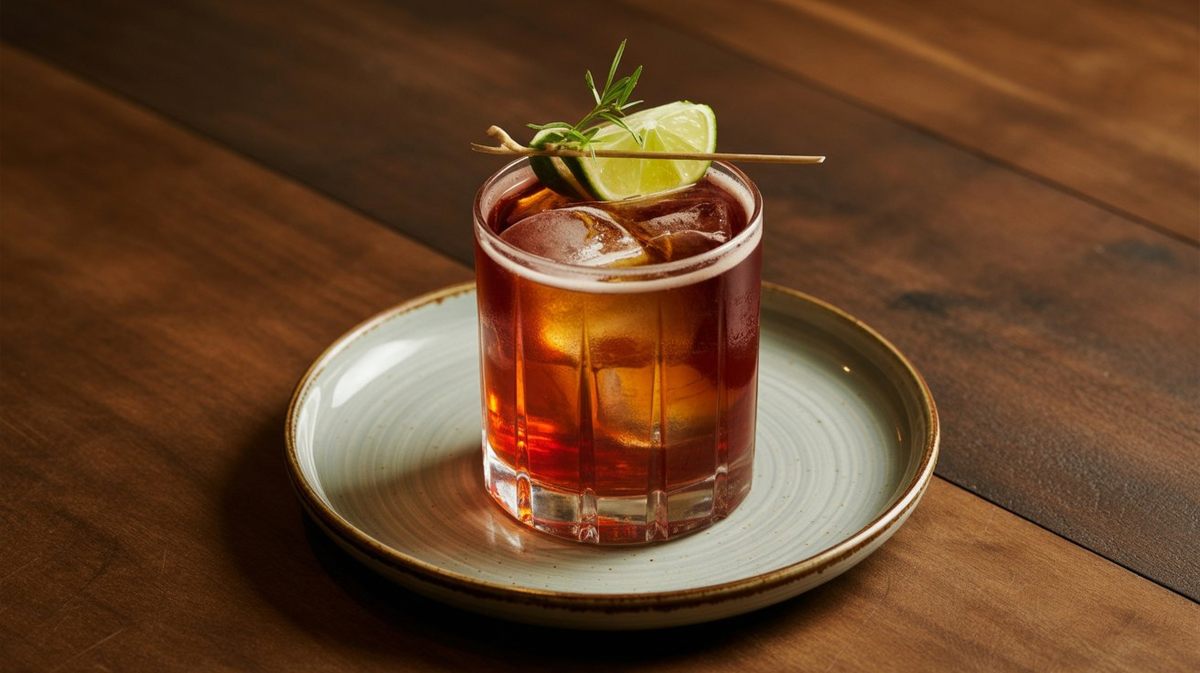
Reach for a large cube in anything spirit forward and stirred. A rum Old Fashioned, a Negroni, a Manhattan, and any good spirit served neat over ice.
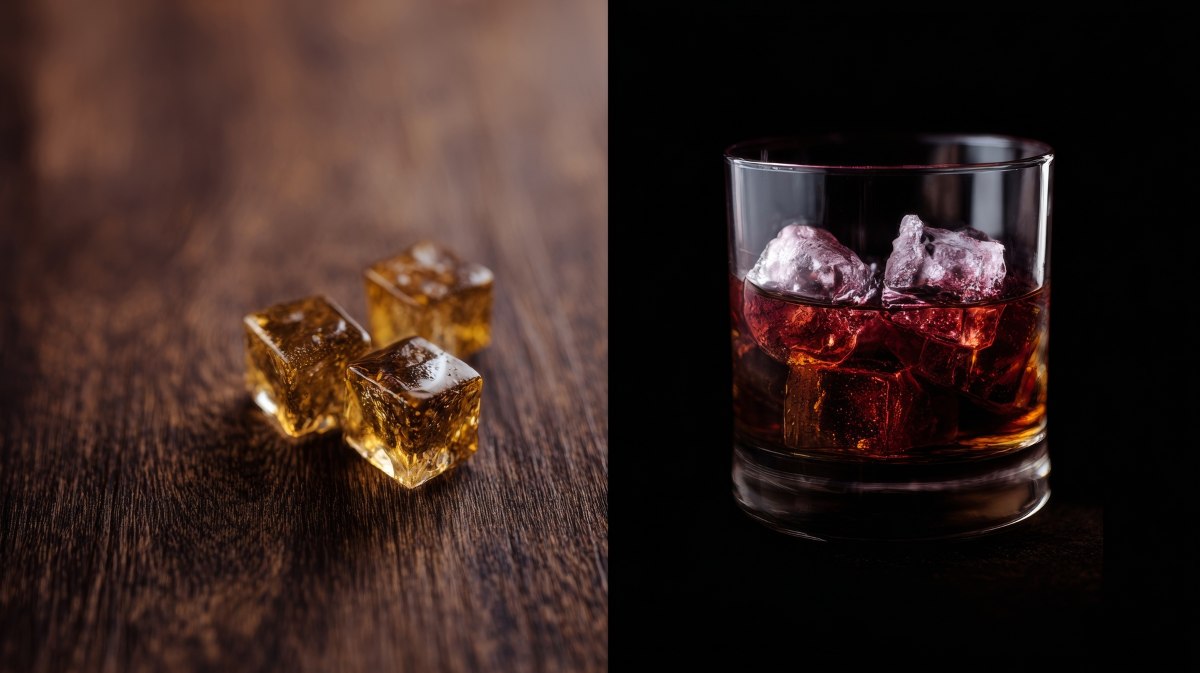
These drinks are made to be sipped slowly over twenty minutes or more, and the cube’s job is to keep them cold without turning them into water halfway down. A single 5cm cube in a rocks glass is the standard, and clear ice holds up noticeably better than cloudy because there’s less trapped air to break it apart.
When To Use Crushed Ice
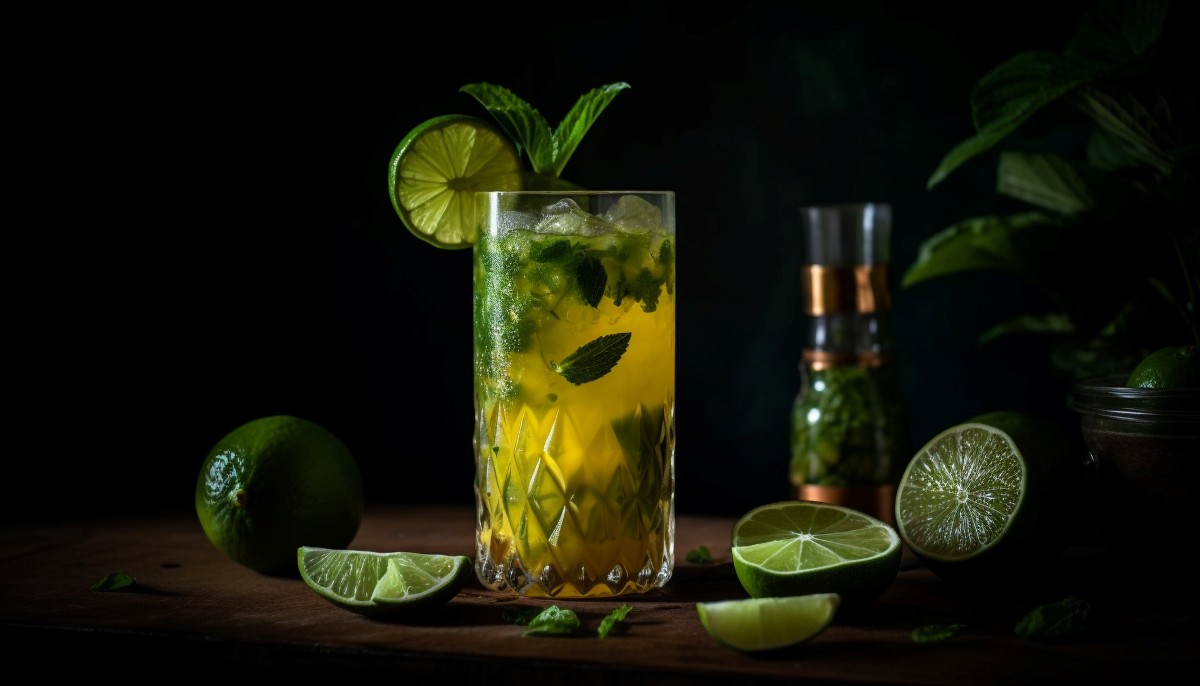
Crushed ice belongs in juleps, swizzles, tiki drinks and Mojitos. Those recipes are built stronger and sweeter than they taste, because the rapid dilution is factored in from the start.
It also does something a cube can’t, which is pack a glass densely enough to form frost on the outside and hold a garnish upright. The classic Mai Tai is served over crushed with the spent lime shell dropped in, and swizzles are stirred with a swizzle stick until the glass frosts over.
The Formats In Between
Standard cubes from a machine or tray are the workhorse for shaking and for highballs. They’re large enough to survive a shake without shattering into slush and small enough to chill quickly.
Cracked ice, made by hitting a cube against a spoon, sits between cubed and crushed and turns up in older recipes. Pebble or nugget ice, the soft chewable sort, chills fast like crushed while melting slightly slower.
Getting Crushed Ice At Home
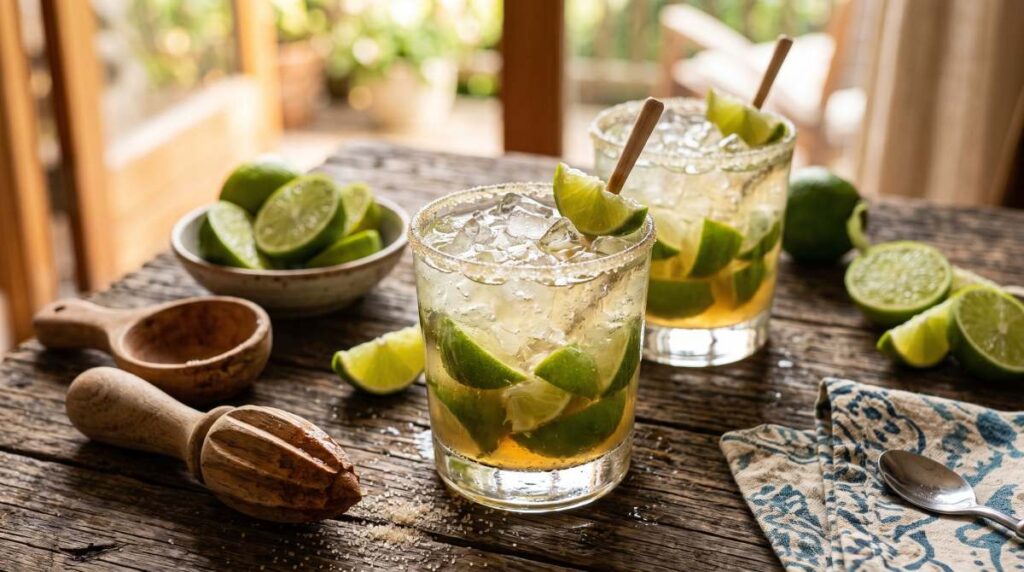
You don’t need a machine. A Lewis bag, which is a canvas sack designed for the job, plus a mallet or rolling pin, will crush ice in about thirty seconds.
A clean tea towel works nearly as well. Blenders and food processors can do it, though they tend to produce slush rather than proper crushed ice and they’re hard on the blades.
How To Tell Which A Recipe Wants
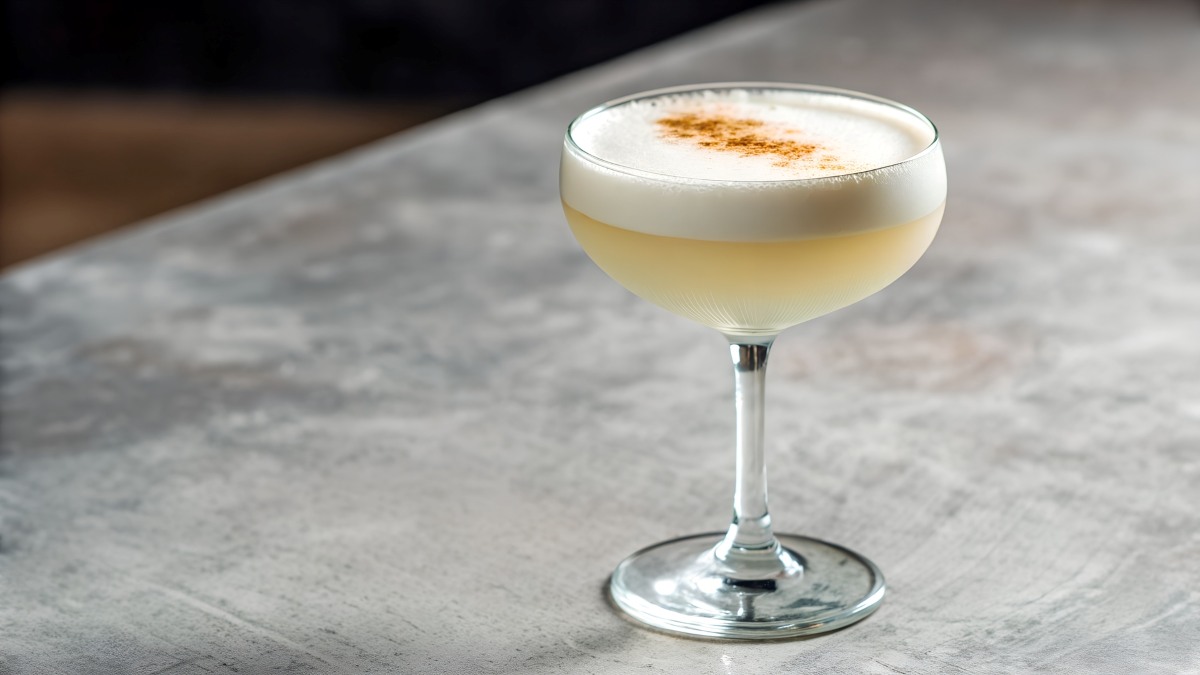
Three quick signals. If the drink contains citrus and sugar and is served long, it usually wants crushed. If it’s spirits, sugar and bitters only, it wants a large cube. If it’s shaken and strained into a coupe, the ice stays in the tin and never reaches the glass.
There’s some crossover, and plenty of bars serve Mojitos over standard cubes without anyone complaining. The importance of ice in cocktails sits in how deliberately the choice is made, not in following a rule to the letter.
Common Mistakes
Using too little of either. A glass with a few cubes rattling around melts faster than a full one, because there’s less combined mass holding the temperature down.
Topping up crushed ice too late is the other one. Tiki drinks and juleps should be capped with fresh crushed after building, which keeps the top of the drink as cold as the bottom and stops the garnish drooping into the glass.
Doing It Properly At Scale
Running both formats through a busy service takes planning, since crushed has to be made fresh and large cubes have to be stored dry and cold.
Rhum Tavern keeps both going at 48 Margaret Street in Fitzrovia, two minutes from Oxford Circus, alongside a rum collection running past 400 expressions and a flame grilled food menu. Book a table to see it, or if you’re organising something bigger, our Central London space for private events takes up to 150 guests and our team will put a drinks list together with you.
Frequently Asked Questions
Why do bars use large ice cubes?
Large cubes have less surface area relative to their volume, so they melt slowly. That keeps a spirit forward drink cold across the twenty minutes or so you spend with it, without diluting it into water.
Which cocktails need crushed ice?
Juleps, swizzles, Mojitos and most tiki drinks, including the Mai Tai and the Zombie. Those recipes are built with rapid dilution in mind and taste unbalanced without it.
Can I use crushed ice instead of cubes?
Only if the drink was designed for it. Crushed ice in a stirred cocktail will over-dilute within a few minutes, leaving the drink thin and losing its finish.
How do I make crushed ice without a machine?
Wrap cubes in a Lewis bag or a clean tea towel and hit them with a mallet or rolling pin. It takes under a minute and gives a better texture than a blender, which tends to produce slush.
Does clear ice actually taste different?
Not in itself, though it melts more slowly. Clarity comes from fewer trapped air pockets and minerals, and that denser structure means less dilution over the life of the drink.