
Two Cuban cocktails, both built on white rum, lime and sugar, and both routinely ordered by people who couldn’t say what separates them. The ingredient lists overlap almost entirely.
Everything else about them differs: the technique, the glass, the temperature, the strength and what they’re for.
The Ingredients
A Daiquiri contains rum, fresh lime juice and sugar. That’s the complete recipe, with nothing else permitted in the classic build.
A Mojito takes those three and adds mint and soda water. Two additions, and they change the drink completely, because the soda stretches it into something long and the mint brings an aromatic quality the Daiquiri has no room for.
The Technique
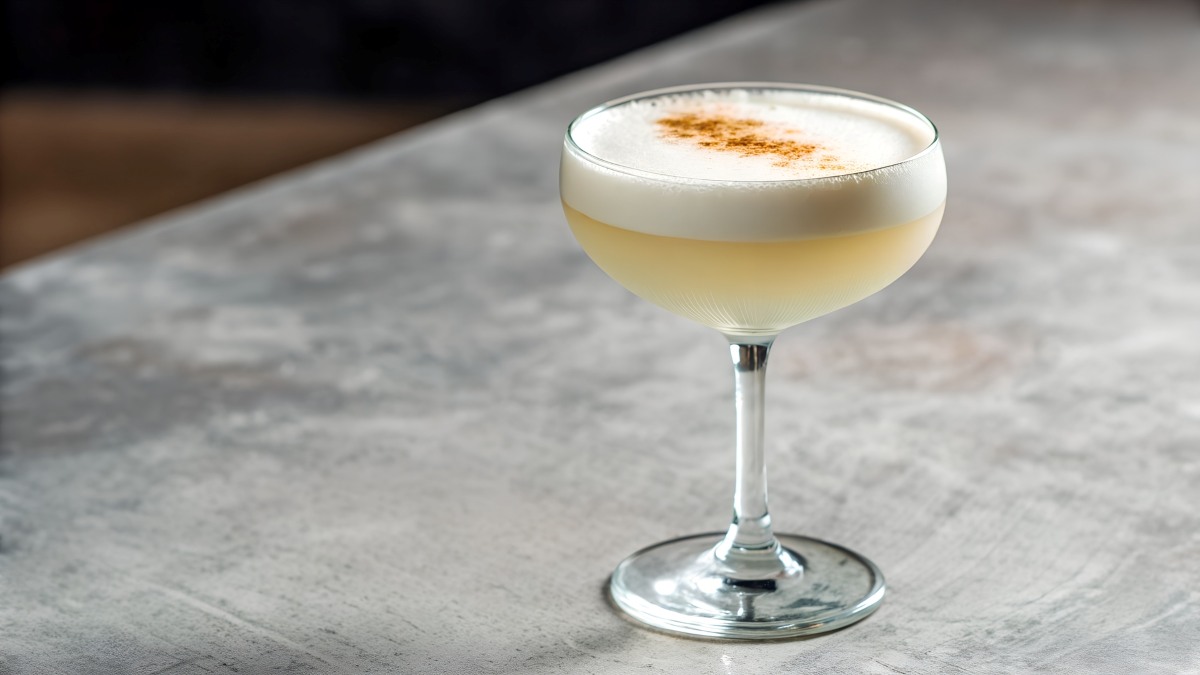
This is the real division. A Daiquiri’s shaken hard with ice and strained into a chilled glass, so the ice never reaches the drinker. Shaking aerates it, chills it fast and adds the water it needs, and the result arrives with a fine haze and a cold, slightly foamy texture.
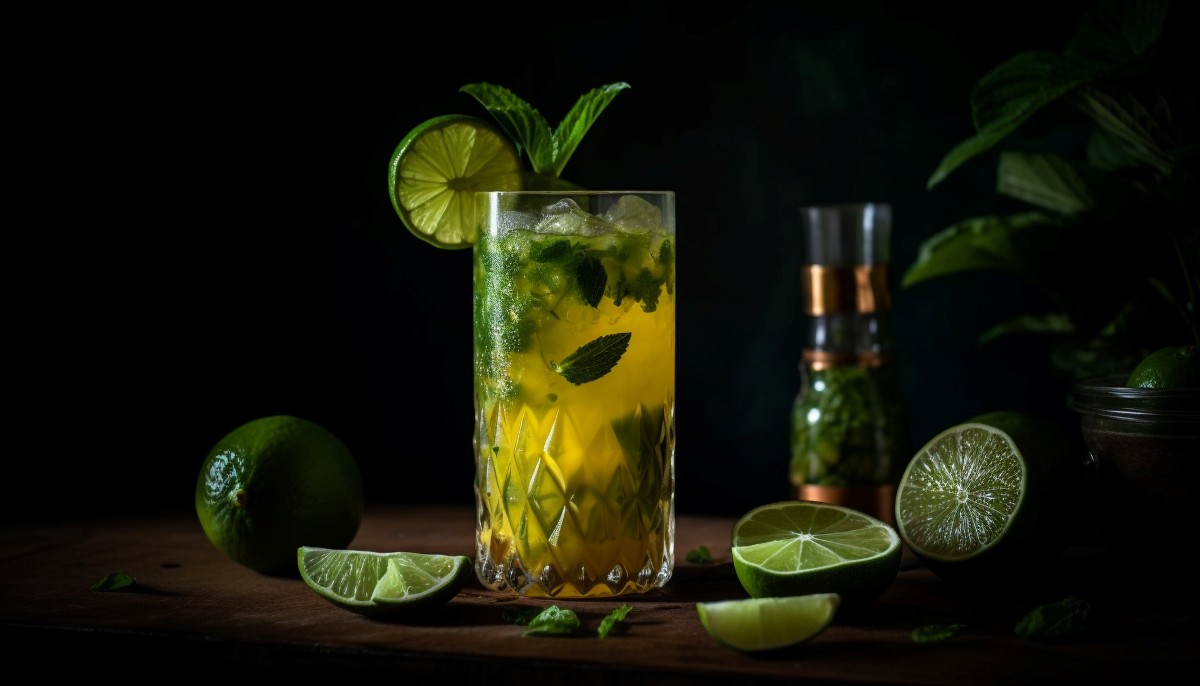
A Mojito’s built in the glass. Mint pressed gently against sugar and lime, rum poured over, ice added, soda topped up, and a quick lift with a bar spoon. Nothing’s strained, and the ice stays with you, diluting as you work through it.
Glassware And Serve
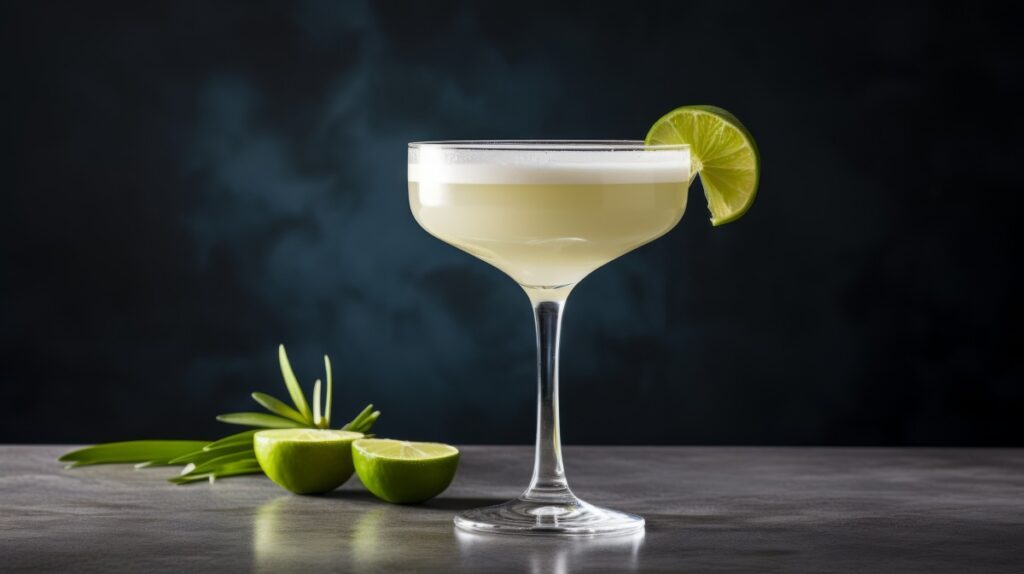
The Daiquiri arrives straight up in a coupe, no ice, around 90ml of liquid in total. It’s meant to be drunk fairly quickly, because it warms as it sits and the texture falls apart.
The Mojito comes in a tall highball or Collins glass packed with ice, closer to 250ml once the soda’s in, and it’s designed to be nursed. Same base spirit, entirely different pace.
Strength
A Daiquiri usually contains around 60ml of rum in a small glass, which makes it a considerably stronger drink than its size suggests. Plenty of people order a second before the first has registered.
A Mojito holds a similar measure spread across a much larger volume, so the finished drink is far weaker by percentage. That’s why one reads as an aperitif and the other reads as an afternoon.
Where They Came From
The Mojito’s ancestor is usually given as El Draque, a sixteenth century mix of crude aguardiente, lime, sugar and mint named after Francis Drake and taken as much for medicine as pleasure. It became the Mojito once proper rum replaced the aguardiente.
The Daiquiri arrived far later, credited to an American mining engineer named Jennings Cox near the village of Daiquirí around 1898. Both drinks then passed through Havana’s bar scene in the early twentieth century, where El Floridita and La Bodeguita del Medio turned them into institutions.
Which To Order
Go for a Daiquiri when you want to taste the rum. There’s nothing in it to hide behind, which is exactly why bartenders love the Daiquiri as a way of judging an unfamiliar bar.
Go for a Mojito on a warm evening, or when you want something to last. It’s the more refreshing of the two by a distance, and it’s far more forgiving of an average rum.
Making Them At Home
For the Daiquiri, shake hard for twelve to fifteen seconds with good ice and chill the glass first. For the Mojito, press the mint, don’t shred it, and use crushed ice if you have it.
Both rely on lime squeezed the same day. Bottled juice ruins either drink faster than a cheap rum will.
Or Let Us Make Both
Ordering them side by side settles the question quicker than any article. Rhum Tavern builds each to the original spec, with a rum list running past 400 bottles and handmade glassware you won’t find elsewhere.
We’re at 48 Margaret Street in Fitzrovia, two minutes from Oxford Circus, and we offer a Central London drinks experience with us runs to cocktails, litre beers and flame grilled food in a room built as the hull of a 1650s ship. Book a table and try one of each.
Frequently Asked Questions
Is a Mojito or a Daiquiri stronger?
A Daiquiri. Both contain a similar measure of rum, but the Daiquiri serves it in a small glass with no ice, while the Mojito spreads it across a tall glass of soda and ice, making the finished drink much weaker.
Are the Mojito and the Daiquiri both Cuban?
Yes, both are Cuban classics. The Mojito descends from a sixteenth century drink called El Draque, while the Daiquiri dates to around 1898 and takes its name from a village near Santiago de Cuba.
Can I use the same rum in both?
You can. A light Spanish style rum from Cuba or the Dominican Republic works well in each. The Daiquiri exposes the quality of the rum far more, so save the better bottle for that one.
Why is my Mojito bitter?
Over-muddled mint. Crushing the leaves too hard releases chlorophyll and bitter compounds, and you only want the oils. Press gently a couple of times and leave it at that.
Should a Daiquiri be frozen?
The classic is shaken and served straight up. Frozen versions are a legitimate part of the drink’s history and come from El Floridita in Havana, though they’re a different experience from the original.