
Rum has a reputation problem, and it’s an enjoyable one. Ask most people what they know about it and you’ll get sailors, smugglers and something sticky in a Coke. All fair. But behind the folklore sits one of the most varied spirits on the planet, made everywhere from Barbados to Mauritius, in styles that range from grassy and bone dry to rich enough to pour over a pudding. If you’re starting from scratch, here’s what actually matters.
What is Rum?
Rum is a spirit distilled from sugarcane. That’s the whole definition, and it’s also why the category is so broad. Most producers ferment and distil molasses, the thick syrup left over once sugar has been crystallised out of cane juice. A smaller group, mainly in the French Caribbean, distil fresh-pressed cane juice itself, which produces rhum agricole, a style with a green, vegetal character that surprises people expecting caramel.
Where whisky is tightly bound by law, rum is governed loosely and locally. Barbados, Jamaica, Martinique, Guyana and Cuba each have their own rules and their own house styles, which means two bottles both labelled “rum” can taste like entirely different drinks. That inconsistency frustrates purists. For a curious drinker, it’s the best thing about the category.
What Are All the Different Main Types of Rum?
Here’s what you need to know:
- White rum is typically light, clean and made for mixing. Some are aged briefly and filtered back to clarity, which gives them more texture than the label suggests.
- Gold and aged rums spend time in oak, usually ex-bourbon barrels, picking up vanilla, toffee and spice. Age statements can be trusted in some countries and treated with suspicion in others, particularly where solera-style blending is used, so read them as a rough guide.
- Dark rum gets its depth from long ageing, heavy pot-still distillation, or added caramel colouring. Sometimes all three at once. Guyana’s Demerara rums are the benchmark here, with notes of burnt sugar, coffee and dried fruit.
- Spiced rum takes a base spirit and infuses it with vanilla, cinnamon, clove and whatever else the producer fancies. Quality varies wildly, from genuinely well-made bottlings to sugared novelties, so this is the style where a recommendation from someone behind a bar earns its keep.
- Rhum agricole is the cane juice style mentioned above. Expect fresh grass, olive brine and pepper. It’s a shock on the first sip and an obsession by the third.
- Overproof rum sits above the standard 40% ABV, sometimes far above it. Jamaican overproofs at 63% are a cornerstone of tiki drinks and should be approached with the respect you’d show anything flammable.
How to Read a Rum Label
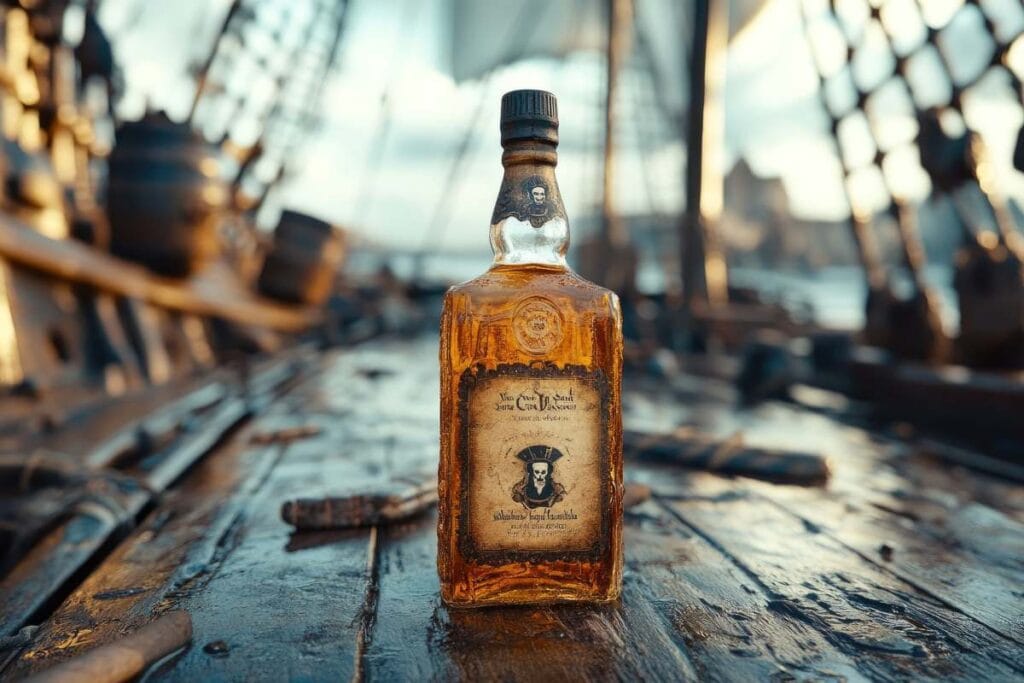
Look for the country of origin first, because it tells you more than the marketing does. Jamaican rums tend towards big, funky, over-ripe fruit flavours, driven by compounds called esters. Barbadian rums are balanced and polished. Cuban-style rums are light and dry. Martinique rums carry the AOC mark, the same legal protection given to Champagne, which guarantees the agricole method.
Then check for the words “spiced” or “flavoured”, which mean sugar and additives are in play, and check the ABV. Anything at 40% or above is standard strength. There’s a growing movement of producers bottling with no added sugar and full transparency, and those bottles usually say so loudly, because they’ve earned the right to.
How to Actually Drink Rum
Start mixed, honestly. A Daiquiri, made properly with rum, lime and sugar and nothing else, is the single fastest way to understand what a white rum tastes like, because there’s nowhere for the spirit to hide. A Dark ‘n’ Stormy does the same job for dark rum. Once a style clicks in a cocktail, try the same rum neat in a small glass at room temperature. Skip the ice at first, since dilution and cold both mute flavour, then add a cube if the heat is getting in the way.
Sipping rums deserve the same treatment you’d give a decent whisky. Small pour, a few minutes to open up, and no pressure to detect tasting notes you don’t taste. If a £70 bottle tastes like petrol to you and a £35 bottle tastes like Christmas, the £35 bottle wins. Nobody is marking your homework.
One practical point that catches people out: an open bottle doesn’t last forever. Oxygen slowly flattens the spirit once the seal is broken, and knowing how long rum lasts once opened will save your better bottles from a slow, quiet decline at the back of a cupboard.
Where To Go From Here
The honest answer is that reading about rum only gets you so far, in the same way that reading about swimming leaves you dry. The category rewards tasting side by side, ideally with someone who can explain why a Jamaican pot-still rum smells of banana skins and a Martinique agricole smells of cut grass, when both came from the same plant.
That’s the thinking behind our tastings at Rhum Tavern, where the back bar holds more than 400 expressions inside the hull of The Inferno, our resident pirate ship two minutes from Oxford Circus. Guided flights walk you through the major styles in a single sitting, which compresses about five years of trial and error into one very good evening. If you’d like to skip the guesswork, book with us at London’s premium rum discovery experience and let the crew steer.