
Every cocktail you’ve ever enjoyed was doing the same four things in different proportions.
Once you can taste those four elements separately, you stop ordering by name and start ordering by what you actually want, which makes you much harder to disappoint in a bar.
Sweet
Sugar does more than make a drink taste sweet. It carries flavour, adds weight to the texture, and softens the burn of high strength spirit.
The sources vary and each brings something different. Simple syrup at a one to one ratio is neutral, demerara syrup adds molasses depth and suits aged rum, and honey brings floral notes while thickening the drink noticeably. Orgeat, falernum and curaçao all sweeten while contributing their own flavour, which is why tiki drinks can contain three sweeteners and still taste dry.
Sour
Acid provides the lift. Without it, a drink tastes heavy and cloying no matter how good the spirit is.
Lime and lemon do most of the work, and they aren’t interchangeable. Lime’s sharper and more aromatic, which is why it belongs in rum drinks, and its juice degrades within hours of squeezing. Lemon’s rounder and slightly sweeter, and holds up a little longer. Grapefruit brings acidity with bitterness attached.
Bitter
Bitterness is the element most people can’t name but immediately miss when it’s absent. It resets the palate between sips and stops a drink becoming boring by the third mouthful.
Angostura, orange bitters and Peychaud’s are the standards, used in dashes, while amari, Campari and vermouth deliver bitterness in larger volumes. In rum drinks it often arrives through the spirit itself, since long fermentation and pot still distillation leave compounds that read as dry on the finish. If you’ve ever thought a drink tasted like squash, it was probably missing this.
Strong
The spirit’s the structure everything else hangs on. It sets the alcohol level, and it contributes most of the aroma in an aged or characterful bottle.
Strength isn’t simply about how much you pour. A 60ml measure of 40% rum and a 45ml measure of 57% overproof land in a similar place, and the second will taste more intense because higher strength carries more aromatic compounds.
Changing One Element At A Time
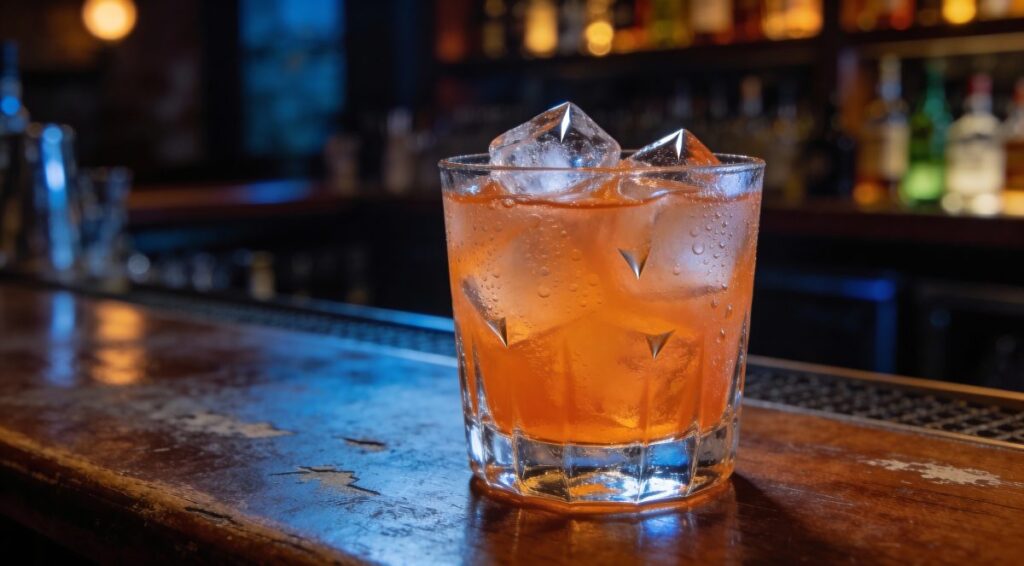
Swapping the spirit while leaving everything else untouched is the fastest way to hear all of this. A Daiquiri made with a light Cuban rum and one made with a Jamaican pot still rum share a recipe and almost nothing else.
Try the same trick with the sweetener. Build one drink with simple syrup and the next with demerara, and the difference in weight is obvious before you’ve reached the second sip.
Getting The Ratios Right
The sour family gives you a starting template: two parts spirit, one part citrus, three quarters of a part sugar. The old Caribbean punch rhyme covers similar ground with one of sour, two of sweet, three of strong and four of weak, though it’s a sweeter build than modern tastes prefer.
Neither’s a law. Limes vary in acidity through the year, syrups thicken as they sit, and any bartender working properly adjusts by taste. Understanding cocktail balance means knowing which direction to move in when something’s off, and the fix is usually acid before anything else.
Working Out What You Like
Next time you’re in a bar, try naming the element you want more of. If you like Negronis and Old Fashioneds, you want bitter and strong. If Mojitos and Margaritas are your thing, you want sour with restrained sweetness. Telling a bartender that gets you a far better drink than naming a spirit does.
Our team uses the same shorthand at Rhum Tavern, a cocktail bar and grill at 48 Margaret Street in Fitzrovia, two minutes from Oxford Circus, with more than 400 rums to push a drink in whichever direction you ask for. It matters even more for groups, so if you’re planning something, a drinks list for a stylish venue for private celebrations has to cover all four profiles, and we hire the venue out for up to 150 guests.
Frequently Asked Questions
What Are The Main Flavour Profiles In A Cocktail?
Sweet, sour, bitter and strong. Most classic recipes balance at least three of them, and the proportions between them separate one drink from another far more than the specific brands used.
What Is The Standard Sour Cocktail Ratio?
Two parts spirit, one part fresh citrus and three quarters of a part sugar syrup is the usual starting point. Bartenders adjust the sugar depending on how sharp the citrus is, since acidity varies through the season.
Why Do Cocktails Need Bitterness?
Bitter elements cut through sweetness and keep a drink interesting past the first few sips. Without them, most cocktails taste flat and syrupy, which is why even a sweet drink usually carries a couple of dashes of bitters.
How Do I Fix A Cocktail That Tastes Too Sweet?
Add citrus in small increments, around 2.5ml at a time, and taste between each addition. A dash of bitters or a small amount of a bitter modifier also works, and it’s often the better fix if the drink’s already at the right strength.
Does The Spirit Matter More Than The Mixers?
In simple drinks with few ingredients, yes, because there’s nothing to hide behind. In complex builds with several modifiers, the balance between sweet, sour and bitter usually matters more than which bottle you reached for.