
Ask a bartender what they drink when their shift ends and the answer, more often than any other, is a Daiquiri. Ask what they order when they walk into an unfamiliar bar and want to know within ninety seconds whether the place is any good, and the answer is the same. This is worth examining, because the Daiquiri is also the drink most of the public thinks comes frozen, pink and crowned with a paper umbrella. The people who make cocktails for a living and the people who drink them have somehow ended up talking about two different drinks.
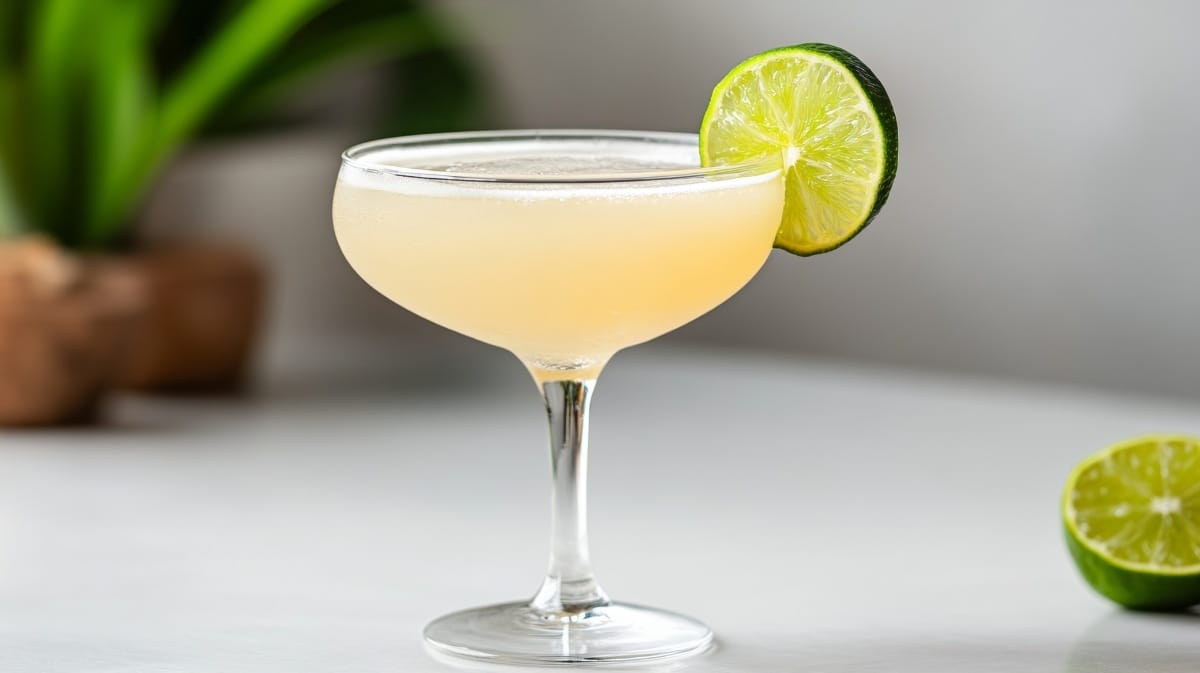
The real Daiquiri has three ingredients. White rum, fresh lime juice and sugar, shaken hard with ice and strained into a chilled coupe. No blender, no fruit purée, no umbrella. It takes under a minute to make and a career to make perfectly, and that gap between simple and easy is the whole reason bartenders love it.
A Drink With A Passport
The story goes that an American mining engineer named Jennings Cox mixed the first one around 1898 near the village of Daiquirí, on Cuba’s south-eastern coast, when he ran short of gin while hosting guests and reached for the local rum. Cocktail history is full of tidy origin stories that fall apart under scrutiny, and Cubans had been mixing rum, lime and sugar long before an American gave it a name, so treat Cox as the drink’s publicist as much as its inventor. Either way, the formula travelled. By the 1910s it had reached Washington’s Army and Navy Club, and by the Prohibition years, when thirsty Americans flooded Havana, it was the unofficial drink of the whole city.
Havana is also where the Daiquiri met its most famous customer. Ernest Hemingway drank at El Floridita so relentlessly that the bar built a variation around him, the Papa Doble, made with double rum, no sugar, and a splash of grapefruit and maraschino to compensate. He reportedly once got through twelve in a sitting. Worth knowing, though, that Hemingway’s sugar-free version is a difficult drink that most palates find punishingly sharp. Genius in prose, questionable in cocktail design.
The Test With Nowhere To Hide
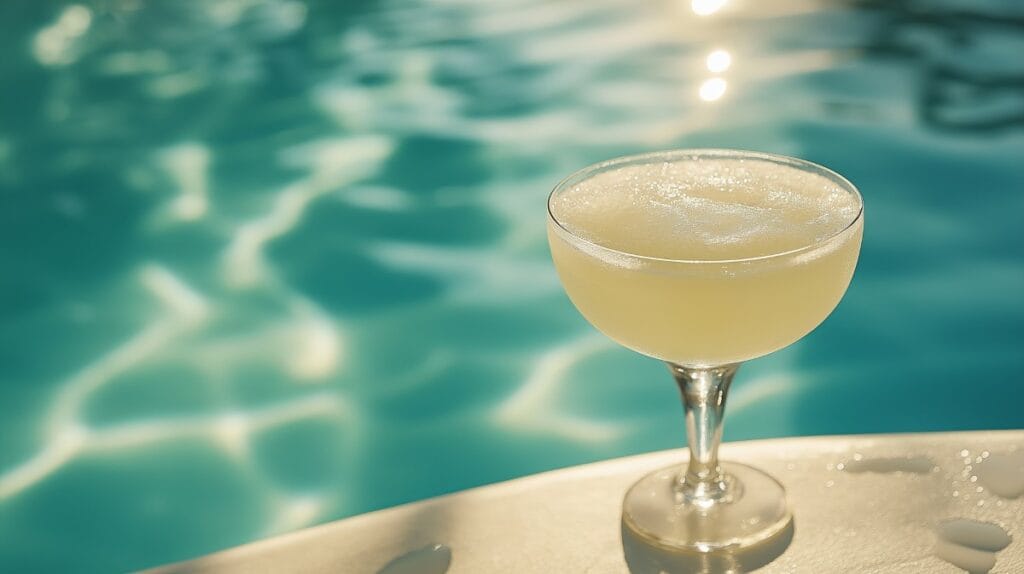
Here’s the professional logic. A drink with ten ingredients can absorb a sloppy measure or a tired garnish, because complexity papers over cracks. A drink with three ingredients cannot. Every choice in a Daiquiri is exposed: the quality of the rum, whether the lime was squeezed that day or is oxidising in a bottle from this morning, the exact ratio of sour to sweet, how hard and how long the shake ran, how cold the glass was waiting.
That’s why bartenders use it as a diagnostic. Order a Daiquiri in a new bar and you learn everything at once. Fresh juice or not. Care or not. A bar that nails a Daiquiri can be trusted with anything on its menu, and a bar that serves you a lukewarm, over-sweetened one has told you the truth about itself for the price of one drink.
The same transparency makes it a canvas. Change the rum and you change the drink completely. A clean Cuban-style white gives you the crisp classic. A funky Jamaican pot-still rum turns the same recipe tropical and wild. A rhum agricole makes it grassy and strange in the best way. Bartenders can spend years exploring one three-ingredient template and never repeat themselves, which is roughly the appeal of chess over draughts.
Ordering One Like You Mean It
You don’t need insider knowledge, but two details help. First, if a menu or a bartender offers you a choice of rum, take the invitation and ask what they’d pour, because that question is catnip to anyone who cares about their back bar. Second, expect it served up in a small stemmed glass and drink it while it’s cold. A Daiquiri has a lifespan of about ten minutes before dilution and warmth flatten it, which is why they’re made small and ordered often.
People sometimes ask how it compares to Cuba’s other export, since both drinks share rum, lime and sugar. The short answer is that mint and soda take the Mojito somewhere longer and gentler, and the full answer is in our piece on the Daiquiri vs Mojito question, which settles a few arguments (and maybe starts a few new ones.)
Try The Drink That Judges The Bar
We hold the Daiquiri to the standard bartenders hold it to, because our own crew drinks them too. At Rhum Tavern the citrus is squeezed daily, the coupes live in the freezer, and the back bar runs past 400 rums, which means the “what would you pour” question has some genuinely interesting answers, from crisp Cuban-style whites to high-ester Jamaicans that turn the classic recipe up to eleven. All of it happens inside the hull of The Inferno on Margaret Street, a two-minute walk from the tube and a fixture for anyone hunting a proper cocktail destination near Oxford Circus.
Come and order the bartender’s favourite from bartenders who take that reputation seriously. It’s three ingredients and one minute of work. It’s also the most honest drink ever invented, and honesty, in a cocktail as in most things, is worth going out of your way for.